Seasonal Angle: Why Monsoon Delays Become Global Shipping Stories
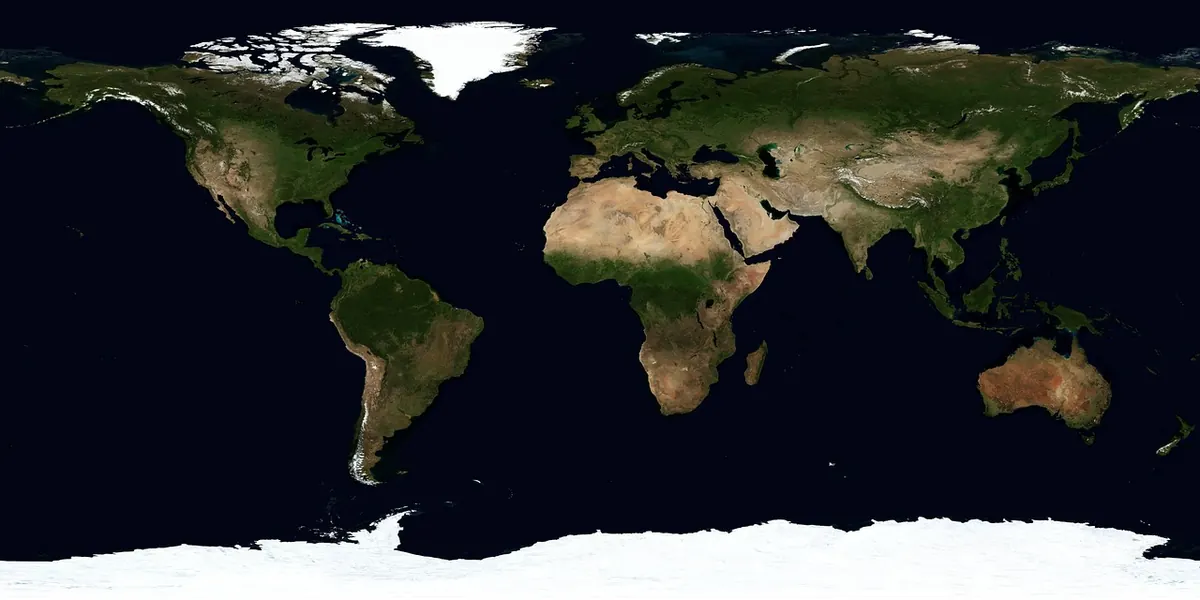
Monsoon coverage usually begins with a satellite image and a simple question: will the rain arrive early, late, or not at all? For readers far from the affected regions, that sounds like a local weather story. It rarely stays local for long. A delayed monsoon can change when rice is planted, how much coal moves by rail, whether a port can load a bulk carrier, and how quickly containers return to the global pool. By the time the headline reaches a European importer or an African food buyer, the weather has become a shipping and price story.
The monsoon is a schedule, not a single storm
A monsoon is a seasonal wind pattern that brings wet and dry periods. What matters for markets is not one dramatic downpour but the calendar: when the rains begin, whether they arrive in useful spells, and when they withdraw. Farmers plan around that rhythm. So do ports, power grids and freight companies.
In rice-growing regions, a late start can push back nursery work and transplanting. Tea bushes respond to rain and heat in cycles; picking schedules shift. Sugar cane and rubber have their own windows. Hydropower reservoirs depend on steady refill, while coal stockpiles and rail schedules adjust to demand. None of these systems waits neatly for the weather to improve.
Three clocks that matter
- The crop clock: planting, weeding, harvesting, drying and trucking all sit on tight seasonal windows.
- The port and river clock: water levels affect barge loads and draft; heavy rain affects berth productivity and road access.
- The energy and stockpile clock: hydropower output, coal movement and fuel demand change with the season.
When one clock slips, the others do not simply reset. They bunch up. A harvest delayed by two weeks can meet a transport network already working at capacity. A port that loses a few days of loading can face a queue for weeks, because modern terminals run on narrow margins of spare space.
From onset to withdrawal
The monsoon calendar has phases, and each phase carries a different risk. A late onset can compress planting into a shorter window. A long break in the middle of the season can stress crops during flowering or filling. An early withdrawal can leave crops short of moisture at exactly the wrong moment. Even a season with normal total rainfall can cause problems if the rain arrives in the wrong sequence.
That sequence matters for cargo too. Rice needs water at transplanting but drier conditions at harvest and drying. Sugar cane needs moisture during growth but passable roads when trucks arrive. Tea depends on rain followed by enough sunshine for quality. Two regions can receive the same total rainfall and still produce very different harvests, transport schedules and export flows.
How a late monsoon becomes a port queue
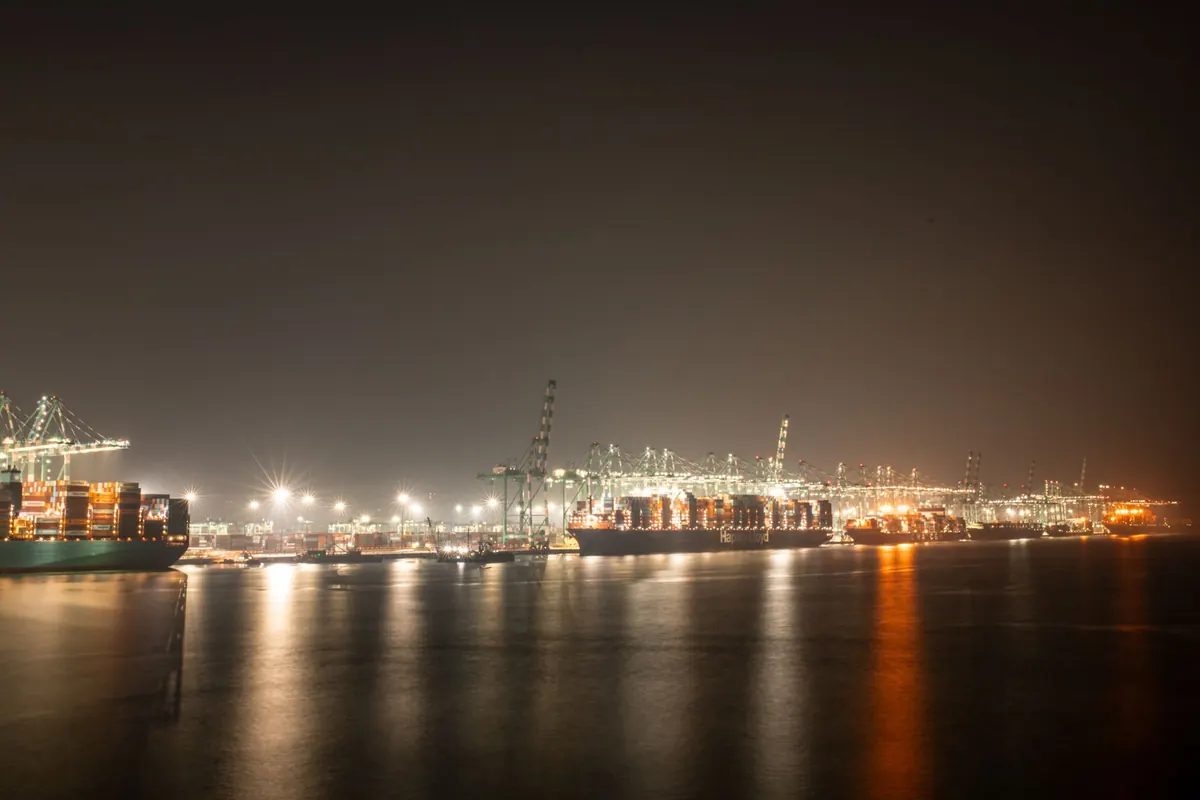
Ports are where weather becomes visible to the wider economy. A delayed monsoon can leave rivers and approach channels low, limiting how much barge traffic can carry. Cargo that would normally move by water gets pushed onto roads and rail, raising costs and adding congestion. When the rains finally arrive, heavy spells can slow crane work, flood access roads and interrupt trucking. Both the dry delay and the wet catch-up can create the same result: cargo arrives in bursts rather than a steady flow.
Shipping lines respond by adjusting rotations. A vessel may wait at anchorage, skip a call, or load less than planned. Each adjustment sends a small shock through the system. Empty containers end up in the wrong place. Exporters who need boxes find them scarce. Rail yards fill, then empty unevenly. The visible headline may be about a port queue, but the practical problem is a schedule that no longer matches the cargo.
The empty-container puzzle
Container shipping is a loop. Boxes must return to where exporters need them. When a regional disruption delays vessels or changes port calls, the loop tightens. A factory may have goods ready but no box; a buyer may have a booking but no confirmed arrival date. This is why a monsoon story can appear in freight-rate reports far from the rainy region. Capacity is not just ships; it is the whole rhythm of boxes, trucks, trains and warehouses.
Commodities carry the weather into shop prices
Agricultural commodities are the most direct channel. Rice, sugar, tea, rubber and palm oil all depend on seasonal water. A delay in planting or harvesting does not automatically mean a shortage; stocks, imports and alternative suppliers can cushion the effect. But uncertainty changes behaviour. Buyers may forward-buy, sellers may hold back, and shipping costs may rise on affected routes. Those decisions show up in contract prices before any empty shelf does.
Bulk commodities matter too. Coal, iron ore and other dry cargoes move through ports and rail systems that are sensitive to weather. A port closure or river restriction can slow loadings, forcing power plants and steel mills to adjust stockpiles. Even when volumes recover, the cost of the disruption lingers in demurrage, storage and rescheduling.
A monsoon delay is rarely a single event. It is a chain of small timing problems that accumulate until a ship, a truck or a buyer has to wait.
The key distinction is between a delay and a failure. A late onset can still be followed by a normal or even generous season. A short break in the rains is not the same as a drought. Headlines often blur these differences because the market reacts to uncertainty first and details later.
Why faraway markets feel it
Global shipping is a shared system. Vessels are deployed where demand and schedules require them, but a diversion in one region can tighten capacity elsewhere. A European importer waiting for rice or tea may see later arrival windows. An African food buyer may face higher replacement costs if suppliers in Asia are uncertain about harvest timing. An Asian manufacturer may find that a container shortage has little to do with its own factory and everything to do with a port queue caused by weather weeks earlier.
These effects are not always dramatic. Many disruptions are absorbed by inventories, alternative suppliers and schedule buffers. But absorption has a cost. A buyer may pay more for faster transport. A supplier may hold stock longer. A shipping line may reposition equipment at short notice. The global system is resilient, but resilience is not free.
Reading the risks without overreacting
It helps to separate three questions. Is the rainfall late, or is it genuinely short? Is the problem at the farm, or at the port and transport network? Is the affected region a major exporter, or a small part of a larger supply base? A late monsoon in a major rice-exporting area matters more than a late monsoon in a region that mainly serves domestic demand. A port disruption during peak export season matters more than one during a quiet month.
Markets often move on forecasts before agronomists have assessed the crop. That is why monsoon stories can look exaggerated in the first week and underappreciated later. The useful approach is to watch whether the weather is changing actual cargo flow, not just headlines.
What to watch in the data
- Onset and withdrawal dates: compare them with normal, but also watch the distribution of rain between the dates.
- Reservoir and river levels: these signal draft restrictions, barge loads and hydropower capacity.
- Planting progress and crop condition: these show whether a delay is becoming a yield or quality problem.
- Port and rail performance: anchorage waits, berth productivity, road access and empty-container availability reveal the logistics effect.
- Freight and insurance signals: route rates, demurrage costs and schedule reliability show how the disruption is being priced.
These indicators rarely move together. That is useful. If rainfall is late but reservoirs are healthy and ports are fluid, the supply-chain effect may be limited. If a modest rainfall shortfall coincides with low stocks, congested ports and scarce containers, the same weather can have an outsized commercial impact. The monsoon is a seasonal angle, but the shipping story is always about timing, capacity and the connections between them.
Photo: Oleksiy / Pexels